Published on:

Caregiving doesn’t come with a monitor—but maybe it should.
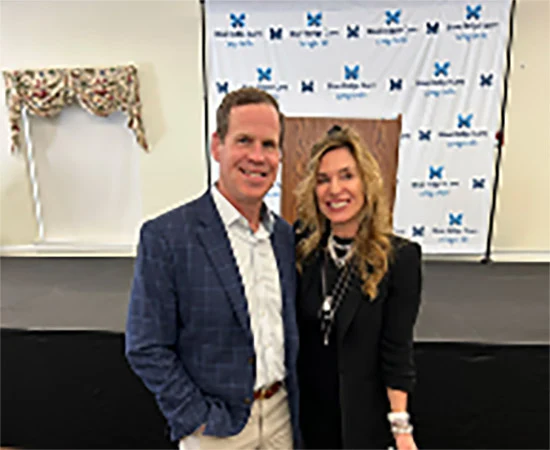
I recently had the privilege of meeting and listening to Alexandra (Alex) Drane, Founder and CEO of ARCHANGELS, a public benefit corporation dedicated to reframing how caregivers are seen, honored, and supported using a combination of data and stories, through public and private partnerships. I appreciate how ARCHANGELS has been approaching their work supporting caregivers and wanted to share a few thoughts about it.
If you’ve been following my blog, you know that I have encouraged caregivers to use a simple graph to chart the relationship between their loved one’s health condition and caregiving intensity over time. This activity reveals inflection points that illustrate how the needs of the care receiver drive the actions and demands placed upon the caregiver and thereby require changes in the caregiver’s thinking. Today I learned that ARCHANGELS has developed a practical, useful, and data-driven approach to measuring caregiver intensity using their proprietary caregiver intensity index.
The idea of the caregiver intensity index is simple: if you’re a caregiver, take a few minutes to answer a series of online questions about your loved one, your care-related experiences, and your feelings about how things are going. After you’ve answered all the questions, you will receive a “caregiver intensity score” that quantifies the degree of strain you may be under in your care-related role.
In addition to your numeric score, ARCHANGELS has categorized final scores into three levels of concern:
- clear (which I like to think of as “green”);
- yellow (implying a state of warning); or
- red (which Alex referred to as “fire,” a state of more serious concern).
The combination of color and number may be likened to a vital sign, giving the caregiver a good idea of how urgently they need help.
Alex astutely observed that caregivers who need help may not know where to find it. As a result, ARCHANGELS is working with private and public organizations to facilitate access to existing resources that are available to caregivers, especially those who score in the red zone of caregiver intensity. It is important to note that we are talking about existing resources—offered by employers, health plans, and/or governmental agencies—that may be unfamiliar to the family caregiver. When you drill down and discover these resources, you realize that caregivers really do not have to go it alone.
I particularly like how the caregiver intensity index factors the context of caregiving into the equation. Besides collecting data about the care receiver’s health condition, the tool solicits information about emotional well-being and other stressors in the caregiver’s life. The result is a revealing summative score that could prompt the reluctant family caregiver who objectively needs help to actually take the necessary steps to seek assistance.
Self-identification as a caregiver is often the first hurdle to overcome before accessing caregiver supports. The ARCHANGELS caregiver intensity index offers a method of self-reflection and discovery that could help caregivers cross that hurdle. By coupling the process of caregiver self-identification with direct links to caregiver supports, ARCHANGELS is offering a data-driven technological platform creating bridges between caregivers, employers, health plans, and governmental agencies, all of whom have an interest in improving the way we care for one another in our rapidly aging society.
The ARCHANGELS platform is indeed timely. It may come as no surprise to hear that the percentage of caregivers who find themselves in the “red zone” of caregiver intensity has been growing in our post-COVID world. Alex said that before COVID, 8% of caregivers were in the red. Today 32% of caregivers are in the red. It’s a sign of the growing demands placed on caregivers responsible for loved ones with increasingly complex health conditions in our uncertain and ever-changing world.
If you’re a family caregiver, I’d encourage you to find out your caregiver intensity score by taking the ARCHANGELS assessment here. I’ve also added a new link to the ARCHANGELS assessment on the Caregiving Kinetics page containing free downloadable resources for caregivers.
Posted in Caregiving