Published on:

Choosing the right professional keynote speaker can make or break your caregiving-focused event. Whether you are planning a community event, a professional conference, or an employer-sponsored program, the speaker you select sets the tone, frames the conversation, and often determines what people remember weeks or months later.
A professional keynote speaker who focuses on caregiving can be very niche, and not one-size-fits-all. They tend to fall into a few recognizable types, each bringing different strengths, limitations, and outcomes for your audience. Understanding these differences can help you match the speaker to your goals rather than defaulting to name recognition or convenience.
Based on what I’ve seen in the field, I have identified five types of caregiving keynote speakers. Below is a description of each type of caregiving speaker, along with a few specific nuances that meeting organizers should keep in mind.
1. The Storyteller
The Storyteller may be the most emotionally compelling type of caregiving speaker. These speakers draw primarily from personal experience, whether caring for a parent, spouse, child, or another loved one. Their keynotes are built around narrative, vulnerability, and moments that feel deeply human.
For audiences, this can be incredibly powerful. Storytellers help people feel seen and understood. They normalize the chaos, grief, humor, and love that come with caregiving. At community events, they often spark connection and conversation long after the applause fades.
The nuance is that Storytellers may focus more on resonance than instruction. If your audience is looking for tools, frameworks, or workplace strategies, you may want to pair a Storyteller with another speaker or be clear that the goal is inspiration and validation rather than practical guidance.
The Storyteller is best for community events, awareness campaigns, and conferences where emotional engagement is a priority.
2. The Business Guru
The Business Guru is a professional keynote speaker who approaches caregiving through the lens of work, productivity, leadership, and organizational culture. These speakers often have backgrounds in corporate leadership, consulting, or human resources, and they frame caregiving as a business issue rather than a personal one.
The strength of this caregiving expert lies in translating caregiving realities into language that employers understand. They talk about retention, burnout, presenteeism, benefits design, and manager training. For employer groups, this can be a game changer. It moves caregiving out of the shadows and into strategic conversations.
The nuance is that Business Gurus may feel less emotionally grounded for audiences who are actively caregiving. Their message can sound abstract if it is not anchored in lived experience. Strong Business Gurus balance metrics with empathy and real-world examples.
The Business Guru is best for employer-sponsored events, leadership conferences, and professional audiences focused on workplace impact.
3. The Academic
The Academic keynote speaker brings research, theory, and evidence into the caregiving conversation. These speakers are often professors, researchers, or clinicians who study aging, caregiving, public health, or social systems.
Their presentations tend to be structured, data-informed, and intellectually rigorous. They are especially valuable when an audience needs clarity on trends, definitions, or emerging research. Academics can help debunk myths, contextualize experiences, and elevate the conversation beyond anecdotes.
The nuance is accessibility. If the speaker leans too heavily on jargon or slides dense with data, audiences may disengage. The most effective Academic speakers know how to translate complexity into insight without talking down to their listeners.
The Academic is best for professional conferences, continuing education events, and audiences that value evidence-based content.
4. The Policy Advocate
The Policy Advocate centers caregiving within systems, laws, and social structures. These speakers focus on issues like paid leave, long-term care financing, Social Security, Medicaid, and caregiver rights. They often have experience in government, advocacy organizations, or policy development.
The strength of this caregiving expert is perspective. Policy Advocates help audiences see how individual caregiving struggles connect to larger societal choices. For organizations interested in change beyond the individual level, this type of speaker can be galvanizing.
The nuance is tone. Policy-focused talks can feel overwhelming or political if not grounded in everyday realities. Strong Policy Advocates tie policy to lived experience and leave audiences feeling informed and empowered rather than discouraged.
The Policy Advocate is best for advocacy events, nonprofit conferences, and audiences interested in systems-level change.
5. The Empath
The Empath is a professional keynote speaker grounded in emotional intelligence, compassion, and human connection. These speakers may be coaches, social workers, clinicians, or experienced caregivers who focus on the inner experience of caregiving.
Empaths speak about boundaries, guilt, grief, identity, and resilience. They create psychological safety in the room and often invite reflection rather than instruction. For audiences under chronic stress, this can feel like a breath of fresh air.
The nuance is that Empath keynotes may not offer concrete takeaways in the traditional sense. Their impact is often subtle but lasting. Attendees leave feeling steadier, less alone, and more capable of continuing their caregiving journey.
The Empath is best for caregiver support events, wellness-focused conferences, and groups experiencing high emotional load.
Choosing the Right Fit
The best caregiving-focused professional keynote speaker is not the most impressive resume or the loudest applause line. It is the one who aligns with your audience’s needs and your event’s purpose. Some events benefit from blending types, while others need one clear voice.
When I work with meeting organizers, I try to help them look beyond just booking a speaker to curating an experience for their audience. Understanding the five types of caregiving keynote speakers, and their corresponding messages, enables us to create an event with lasting impact.
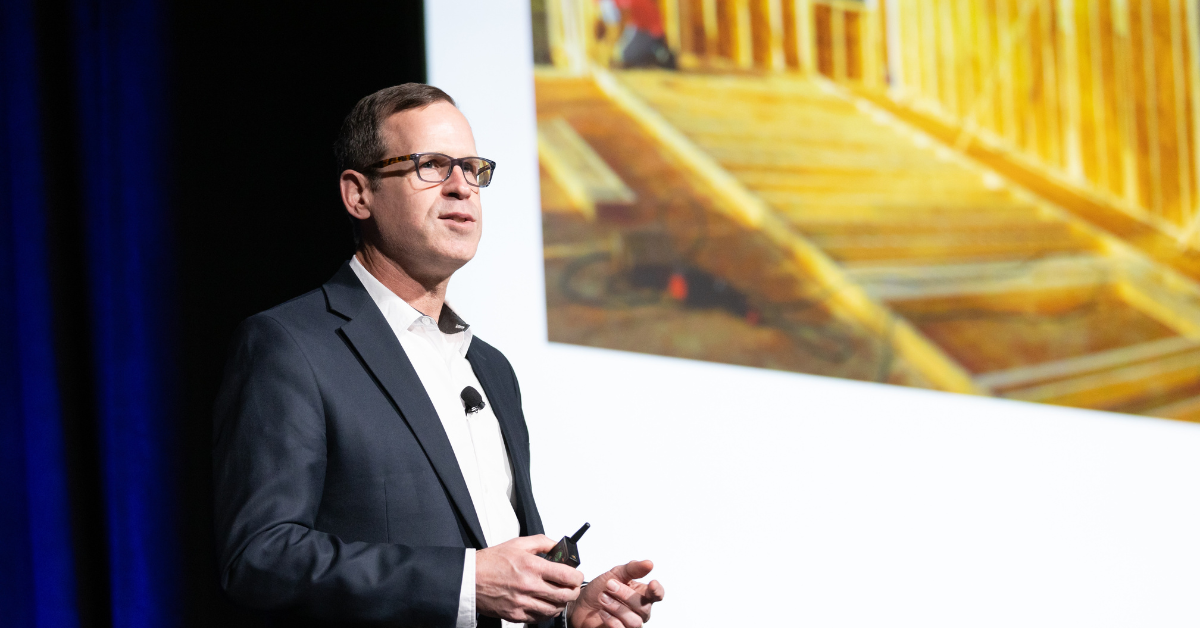
After experience in family caregiving, the business of caregiving, the policy of caregiving, and caregiving research, Dr. Aaron Blight brings knowledge, stories, and emotional intelligence to audiences across the globe. If you would like to invite him to your event, please contact us.
Posted in Events, Speaking